
A cryptocurrency wallet is a software application that allows users to receive or send any cryptocurrency and perform other related operations. These wallets do not store cryptocurrency; instead, they generate public keys (Bitcoin addresses) and store the private keys for all addresses contained within the wallet.
In the article Bitcoin Transaction. Part 1., we discussed the concepts of public and private keys. If you are not familiar with the difference between them, we recommend reading that article first. Now, let's take a closer look at private keys and their importance.
Private Key and Seed Phrase
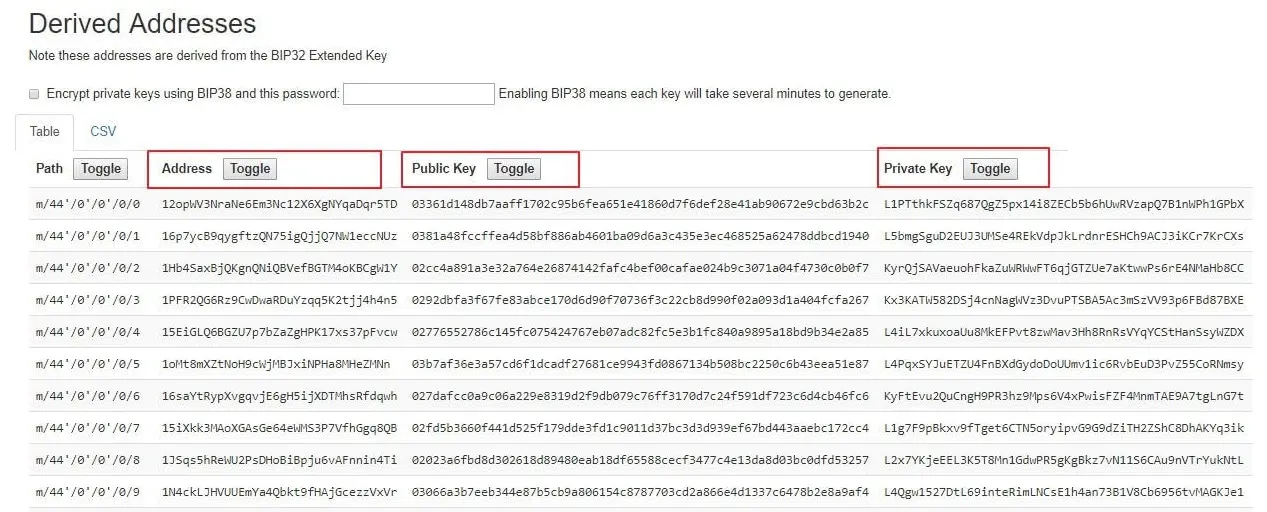
A private key (also known as a secret key) is a randomly generated combination of numbers and characters that forms a secret password/number. Private keys are your proof of ownership of a wallet address and, consequently, of the coins held at that address. Transactions are authorized using private keys. Whoever controls the private keys controls the funds associated with that address. The image below shows the Blockchain.com wallet, where you can see that each wallet address has its own corresponding private key.
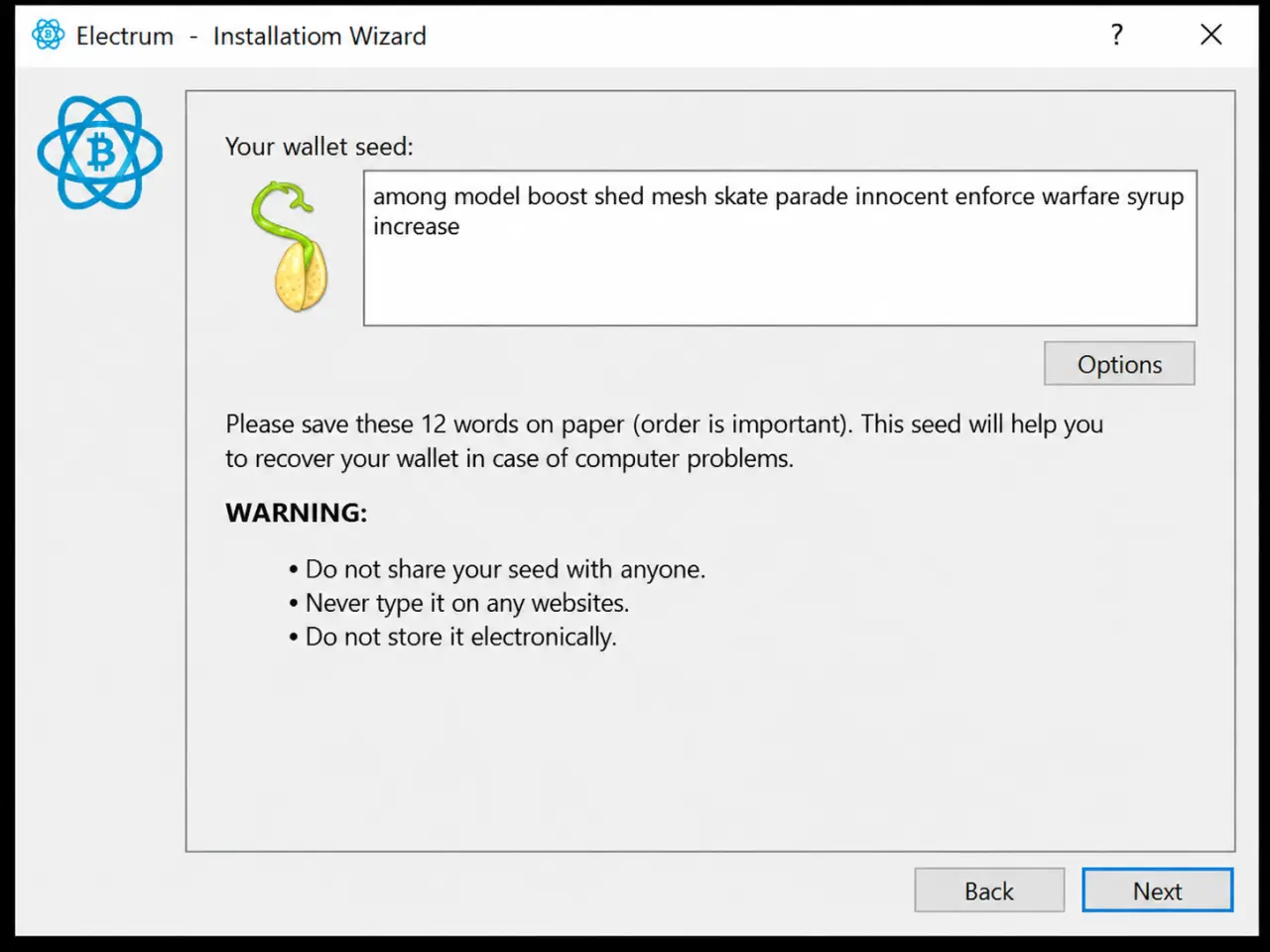
There is also the concept of a seed phrase (also known as a mnemonic phrase or backup phrase). It is a sequence of 12, 18, or 24 words. While a private key provides access only to one specific coin address, a seed phrase gives full control over all coin addresses generated within the wallet. Simply put, a seed phrase contains all the private keys for every address in the wallet. The image below shows an example of a seed phrase generated in the Electrum wallet during the wallet creation process.
However, not all cryptocurrency wallets give users control over their private keys. Some wallets store private keys on their own servers. Cryptocurrency wallets come in various types. There is little point in listing every type, so we will focus on the most common ones.
Types of Cryptocurrency Wallets
The main classification distinguishes cryptocurrency wallets based on how private keys are stored and how access to them is provided. Based on the method of providing access to the wallet, the following types are distinguished:
Web or Mobile Wallet (Hot Wallet) — This is the most popular type of cryptocurrency wallet. To use one, you need a device such as a computer or mobile phone, as well as an internet connection. Mobile wallets are installed on your smartphone as applications, while web wallets are accessed through a web browser on any device. The secret to their popularity is their intuitive interface, which requires no special technical knowledge. This is the least secure but the most convenient type of wallet, making it well suited for beginners. The downside is that your device may be lost or stolen. If that happens and a malicious actor has the necessary skills, they may be able to access and steal your funds. Therefore, it is essential to choose a wallet from a trusted provider and avoid storing large amounts of cryptocurrency in it. Pay attention to the security features and protection mechanisms offered by the wallet, and research the platform's history of security breaches to assess its overall reliability. Popular Bitcoin wallets for smartphones include Edge, BRD, Blockstream Green, Blockchain, Bitcoin Wallet, and others.
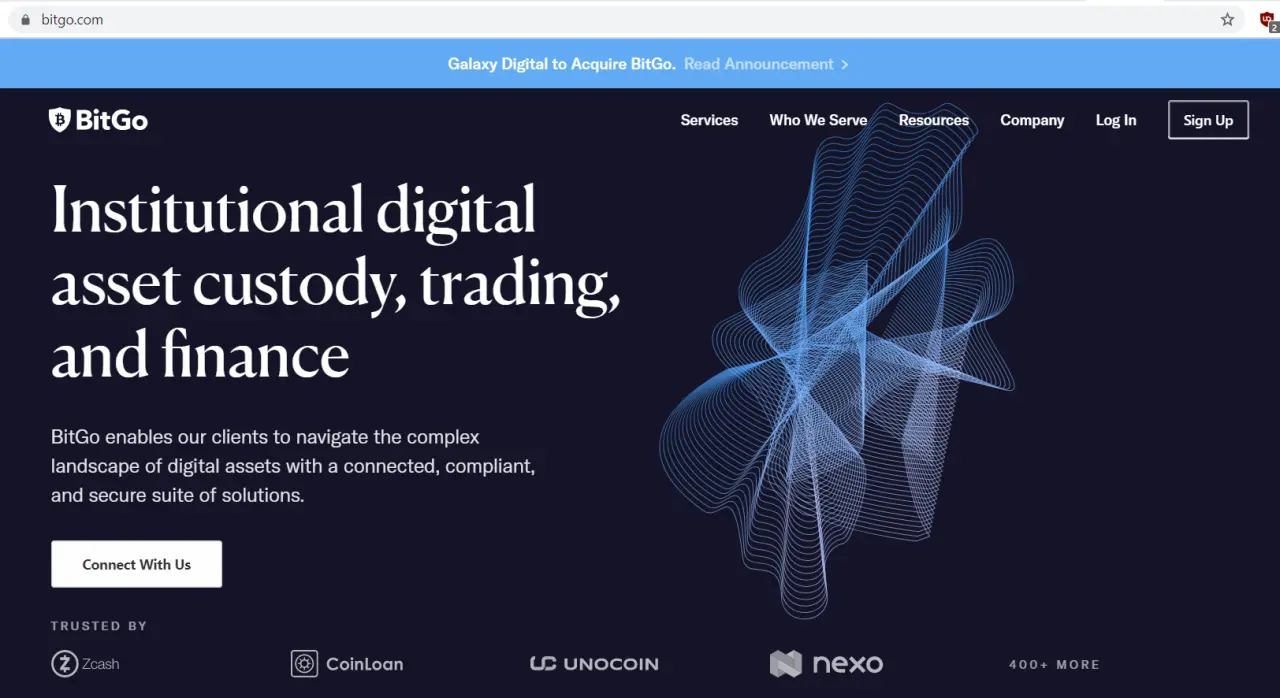
An example of a web wallet is BitGo.com.
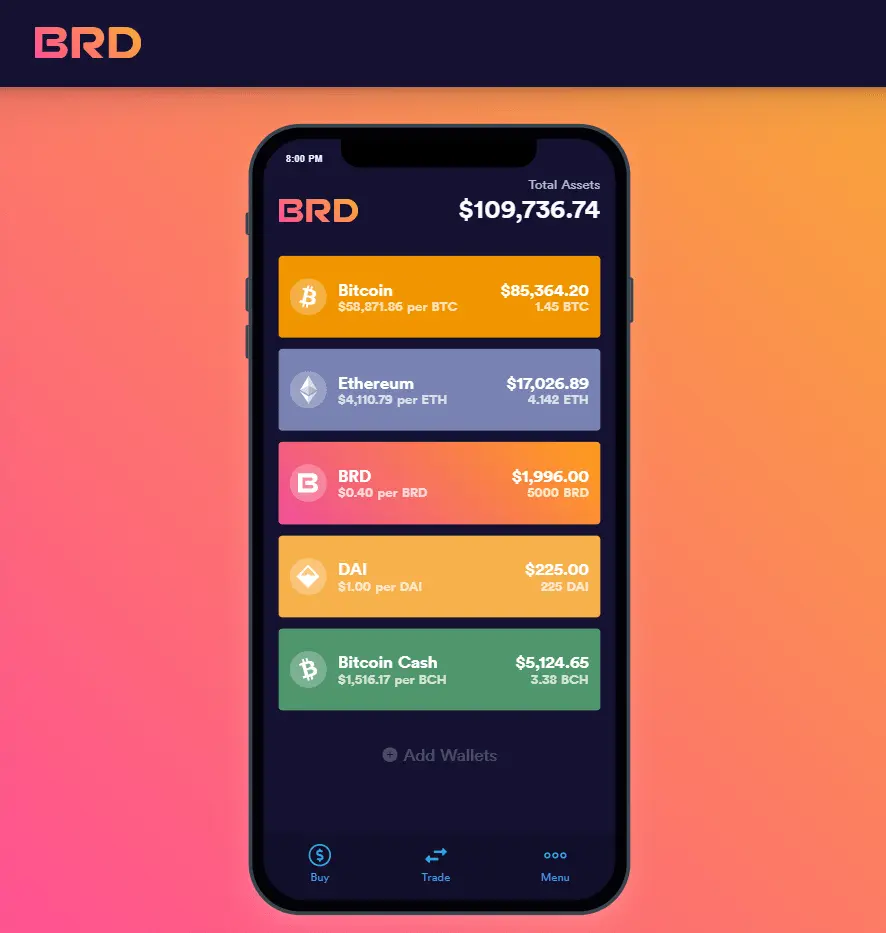
An example of a mobile wallet is BRD.
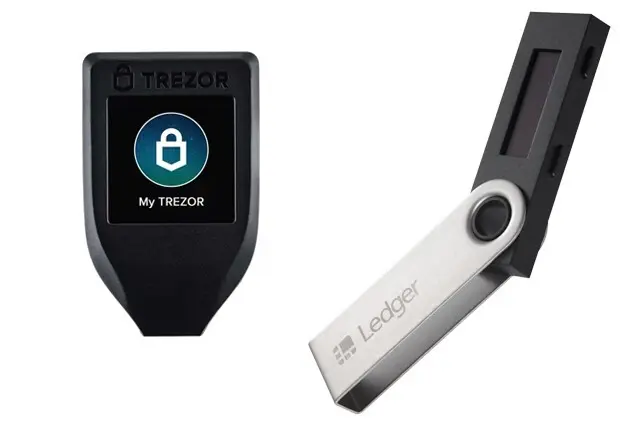
Hardware Wallet (Cold Wallet) — A hardware wallet is a portable device that is not permanently connected to the internet and typically resembles a USB flash drive. It is considered the most secure method of storing cryptocurrency. The main drawback of hardware wallets is that they are paid devices.
When the device is initialized, the wallet generates and displays a seed phrase, which must be written down on paper and stored in a safe place. If the device is lost or damaged, all funds can be easily restored on another hardware wallet using the seed phrase. The leading manufacturers of hardware wallets are Ledger and Trezor.
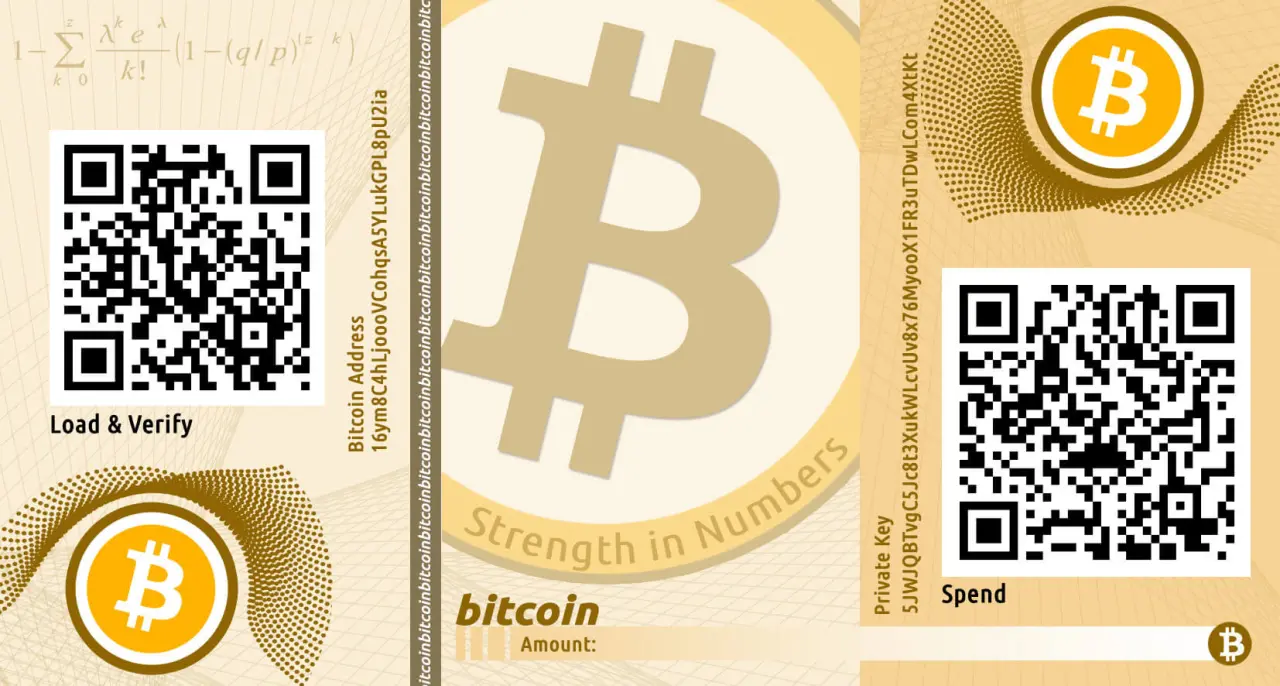
Paper wallets and desktop wallets also belong to the category of cold wallets. A paper wallet is simply a piece of paper containing a printed private key and public key (public address). The most important thing is to keep the paper safe from damage and loss. If the paper key is lost, the funds cannot be recovered.
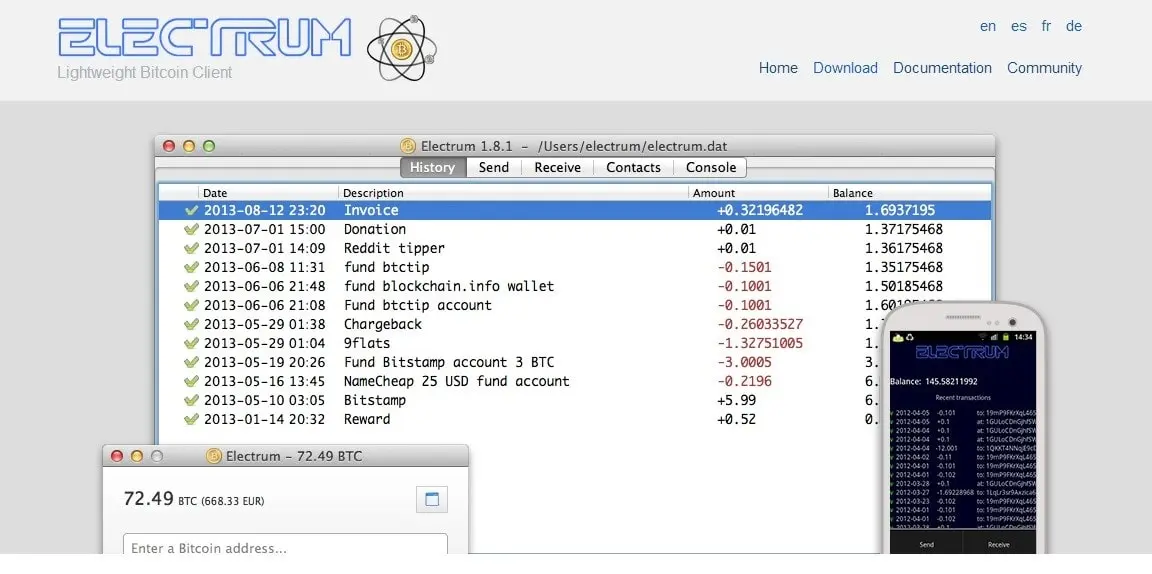
4. Desktop Wallet — A desktop wallet is installed on a computer as a software application. As with a hardware wallet, the user is prompted to write down the seed phrase. This gives the user access to their private keys and, consequently, full control over their funds. Examples of desktop wallets include Electrum, Exodus, Bitcoin Core, Multibit, Armory, and Atomic Wallet. The downside of desktop wallets is that you are tied to a specific laptop or computer, and the device must be carefully protected against malware and viruses. However, most hardware wallet manufacturers now also offer their own mobile applications.
An example of a desktop wallet is Electrum.
Based on the method of storing private keys, the following types are distinguished:
A custodial wallet is controlled by the platform operator, also known as the custodian, who is responsible for storing and backing up the private keys. This can be convenient if you lose access to your wallet, as the third party can help you regain control of your funds. In addition, platform operators often require users to complete identity verification (KYC) and have access to all of their personal information. This type of wallet is supported by virtually all cryptocurrency exchanges, including Coinbase, Kraken, Bitfinex, Binance, Poloniex, Bittrex, CoinEx, Bitstamp, and others, as well as many hot wallets. However, this system also has its drawbacks, such as restricted access during platform maintenance, the possibility of losing access to funds due to a court order, the closure of the platform, and similar circumstances.
A non-custodial wallet is a cryptocurrency wallet that allows users to retain full control over their private keys and funds while also maintaining their privacy. This category includes the hardware, paper, and desktop wallets mentioned above. Some of the most popular non-custodial wallets include Electrum, Exodus, Atomic Wallet, Wasabi Wallet, Jaxx, Coinomi, Abra, MyEtherWallet, MyCrypto, Wirex, Button Wallet, ZenGo, Paytomat, Bitcoin.com, BRD, BTC.com, and others. However, it is important to remember that if the private key or seed phrase is lost, all funds will be permanently unrecoverable.
There are also other ways to classify cryptocurrency wallets. They may be multi-currency wallets or wallets designed to support only a single cryptocurrency. Based on the way they interact with the blockchain network, wallets are classified as full (thick) wallets and light (thin) wallets. Based on functionality, there are multisignature wallets, wallets that support passive income features (such as lending, staking, and farming), wallets with coin-mixing functionality, and many other types.
As we can see, cryptocurrency wallets differ significantly from familiar digital wallets such as Qiwi, WebMoney, AdvCash, and similar services. These wallets operate on centralized systems, which means that the funds are effectively held by a third party. If you lose your password or make a mistake during a transfer, you can contact the platform's support team, and they may help resolve the issue. Cryptocurrency wallets, on the other hand, operate within a decentralized system. The funds themselves are not stored by anyone; only the private keys are stored, either by you or by a custodian. Your private key is the only proof that you own the funds associated with a particular wallet address. Likewise, the seed phrase is the only way to restore access to all addresses and funds contained within your wallet. A cryptocurrency wallet is simply a software application that connects to the blockchain and displays transactions, balances, and other wallet information in a user-friendly format.
Which wallet should you choose? It all depends on your priorities. If security and privacy are your primary concerns, choose a hardware wallet. If convenience and mobility are more important to you, then any hot wallet will be a suitable choice.
Security Recommendations
To better protect your assets when using cryptocurrency wallets, it is important to follow a few basic security rules:
- When using custodial wallets, store your passwords securely using a password manager. For non-custodial wallets, write down your seed phrases and store them in multiple secure locations using different methods.
- Divide your assets among several wallets so that, in the event of a hacker attack or another unforeseen incident, you do not lose everything.
- To protect yourself from phishing attacks, always access web wallets through links saved in your browser bookmarks. If you enter a website address manually, do so in a new browser tab and carefully verify every character in the URL.
- Do not neglect creating and storing backup copies of your private keys so that you can recover your funds if necessary.
- Never log in to your wallets from internet cafés, avoid visiting pornographic websites, and keep your operating system up to date.
We will explain how to create a cryptocurrency wallet in the article "How to Create a Cryptocurrency Wallet: A Step-by-Step Guide for Beginners."
Good luck!